


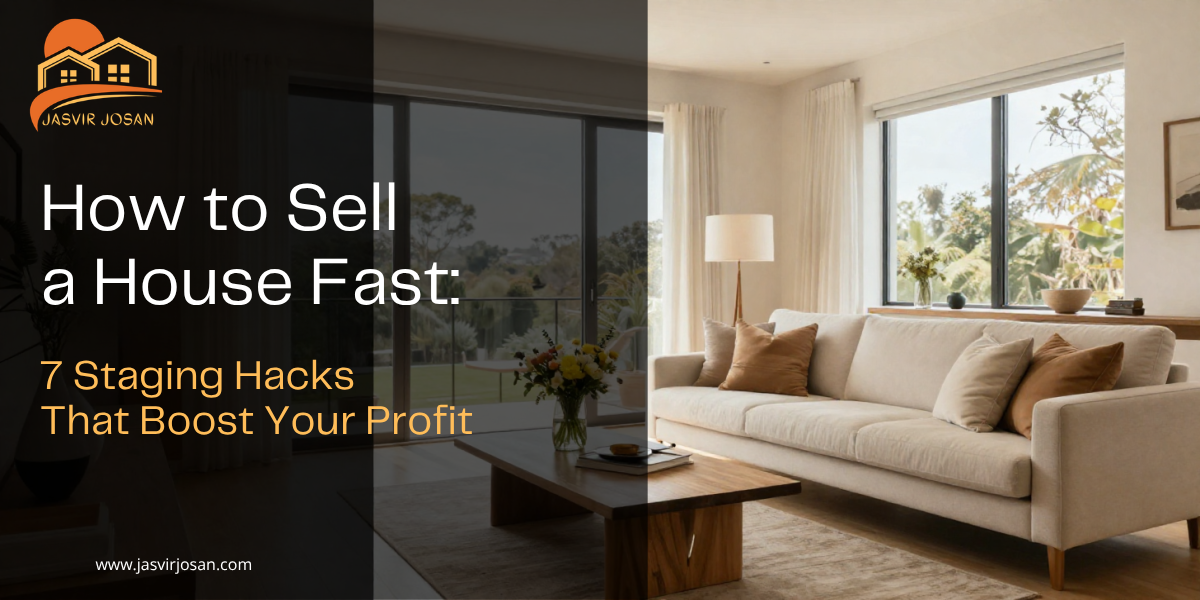
In today's housing market, homes are taking an average of three to four weeks to go under contract. The time of effortlessly putting a "For Sale" sign on an uninspiring front lawn and watching a wild bidding war explode is officially over! Buyers have regained their leverage, and they are incredibly selective about where they park their capital. I tell my clients all the time: you cannot control the interest rates, but you can absolute control how a buyer feels the second they walk through your front door. If you want to stand out from the competition, you need a strategy that builds an immediate emotional connection. Fortunately, you do not need a massive remodeling budget to pull this off.
Here are my top 7 data-backed staging hacks that will capture a buyer's imagination, speed up your closing, and protect your hard-earned equity.
1. Triaging Your Space: Put Your Money Where the Eyes Are
Let's be completely realistic. Not every seller has the financial runway or the patience to execute a full-home staging overhaul. If you are strapped for time, take a deep breath and focus entirely on the "Big Three" rooms that actually dictate real estate decisions.
- The Living Room: This is the emotional heart of the home. When buyers walk in, they need to easily picture themselves relaxing after a long day, entertaining friends, and making lasting memories.
- The Kitchen: This is your primary gathering spot. Clear the countertops completely, toss a bowl of crisp, fresh fruit on the island, and ensure the entire layout feels open, clean, and highly functional.
- The Primary Bedroom: This space acts as an escape. Buyers want to imagine ending their chaotic days here, so aim for a vibe that is cozy, immaculate, and deeply calming.
My Pro Tip: A beautifully staged living room and kitchen can entirely carry a sale—even if the remaining bedrooms in the house are completely average.
2. The Illumination Lift: Brighter Homes Equal Bigger Offers
Dark homes feel cramped, dated, and small. Well-lit homes, on the other hand, instantly feel expansive, cleaner, and infinitely more inviting to someone walking through an open house.
To maximize this effect, I always advise homeowners to throw open every single blind and curtain to let the natural light flood the floor plan. Next, walk through your home and remove any dull, mismatched, or harsh fluorescent bulbs; swap them out for uniform, brighter, warm-toned LEDs. Finally, place accent lighting—like a sleek floor lamp or a warm table light—in your darkest corners to visually push the walls outward.
3. Script the Lifestyle: Setting Scenes That Trigger Offers
Buyers rarely just purchase a physical structure of wood and drywall. What they are actually buying is a dream of a better, more elevated life.
You can trigger this psychological desire by setting up intentional, mini "lifestyle moments" throughout the property. Create a cozy reading nook by placing a comfortable armchair next to a small side table topped with a plush throw blanket. Set the dining room table for an elegant family dinner. If you have an outdoor patio, set up two chairs with a tray and a pitcher of lemonade. These subtle, artistic touches build an immediate narrative that makes buyers think, "I want this lifestyle for myself."
4. The Perspective Effect: Making Small Rooms Feel Massive
Every single buyer wants more space, regardless of the actual square footage of the home. The fastest way to make a room look small is to cram it with oversized furniture or push every single piece flat against the drywall.
To break this habit, pull your couches and chairs away from the walls to create a natural, floating conversation area that improves the physical flow of the room. Remove bulky, unnecessary accent pieces that clutter your walkways, and strategically hang large mirrors opposite your windows to reflect natural light and trick the eye into seeing double the space. Less is always more. A clean, open layout feels inherently luxurious.
5. The Elevated Neutral: Adding Texture and Soul to Plain Spaces
We have all heard the standard real estate advice that "neutral sells." However, many sellers misinterpret this and accidentally turn their properties into beige, bland, clinical boxes that completely lack personality.
My approach is to stick to crisp, neutral tones for your main walls and heavy furniture, but introduce intentional pops of sophisticated color through accent pillows, modern wall art, and tasteful décor. You should also heavily rely on rich textures—like a chunky knit throw blanket, a woven jute rug, or sleek linen curtains—to add essential warmth and depth without overwhelming a buyer's senses. The goal is a home that feels fresh, curated, and completely move-in ready.
6. Hook Them at the Curb: The 7-Second Exterior Impression
First impressions do not happen in the foyer; they happen the exact second a buyer pulls up to the curb and shifts their car into park. If the exterior looks neglected, buyers will immediately assume the interior has hidden maintenance issues, too.
- Wash the Surface: Rent a power washer and thoroughly clean years of grime off your driveway, sidewalks, and front porch.
- Frame the Entrance: Place symmetry-building potted plants or vibrant, seasonal flowers directly next to your entryway.
- Upgrade the Door: Toss out your faded, old welcome mat and replace it with a fresh, clean one.
My Pro Tip: Applying a fresh coat of paint to your front door in a bold color like deep navy blue or a classic historical red creates a massive, unforgettable visual anchor.
7. Appeal to all Five Senses
Staging is an immersive, multi-sensory experience. When a buyer steps across your threshold, they are subconsciously evaluating the atmosphere with more than just their eyes.
To capture their subconscious approval, keep the aroma incredibly subtle. Avoid heavy, masking perfumes or strong artificial plug-ins, which often cause buyers to worry you are hiding a mold or pet issue. Instead, stick to light, universally pleasant hints of vanilla or citrus. Play soft, ambient background music at a low volume during your open houses to eliminate awkward silences, and ensure your surfaces feature touchable, high-quality textures like plush velvet pillows or ultra-smooth stone countertops.
The Bottom Line
Mastering the art of home staging does not require a massive financial investment, but it does require a sharp eye and a strategic plan. By prioritizing these seven high-impact areas, you can significantly reduce your days on market and walk away from the closing table with maximum profit!
Are you getting ready to put your home on the market? Let’s make sure you don't leave any money on the table. Send me a message today, and We will work on a personalized, room-by-room staging plan specific to your home's layout!