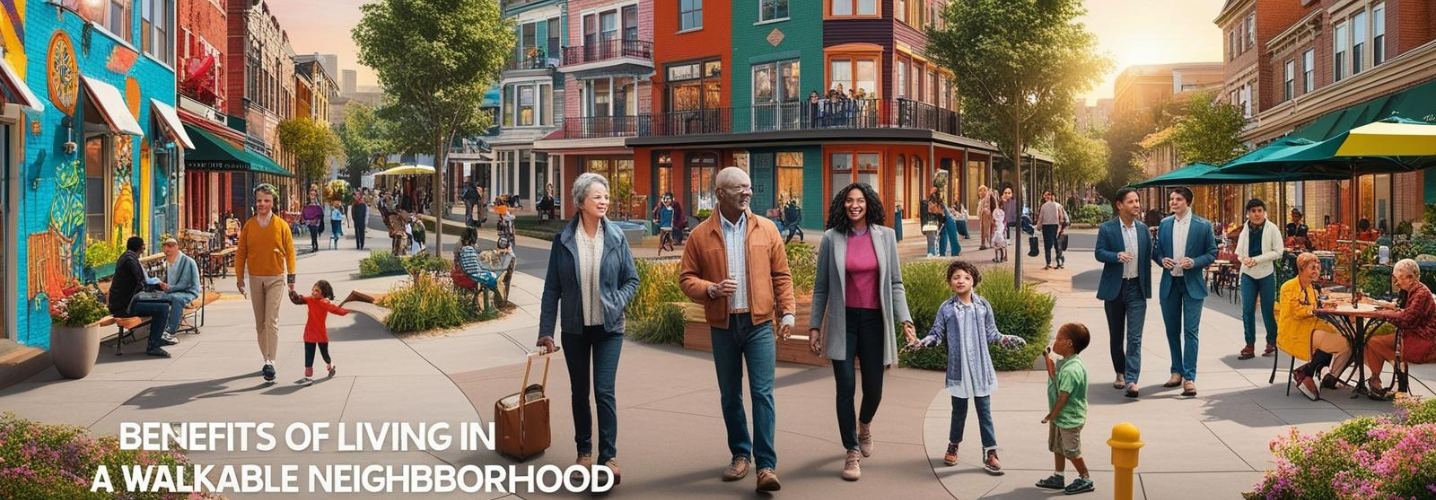
Imagine stepping outside your front door and having a morning artisan coffee shop, a vibrant weekend farmers market, or a charming local bookstore just a leisurely, sunlit stroll away. This isn't just a strange cinematic fantasy; it is the daily reality for residents of highly walkable neighborhoods, and the long-term benefits are far more profound than you might think.
In today's fast-paced, car-dependent world, the simple act of choosing a pedestrian-friendly layout can unlock a wealth of structural advantages for your physical health, your social bonds, and your financial portfolio. Let's explore the incredible perks of shifting away from the ignition switch and embracing a pedestrian-first lifestyle.
The Neighborhood Audit: Walkable vs. Car-Dependent Communities
When analyzing future neighborhoods for your next home purchase, it helps to evaluate how your environment shapes your daily routine:
| Lifestyle Metric | Walkable Neighborhoods | Car-Dependent Suburbs |
|---|---|---|
| Daily Errands | Groceries, dining, and parks are accessible via sidewalk grids. | Every minor task requires a vehicle trip and parking navigation. |
| Physical Well-being | Active cardiovascular movement is seamlessly built into your day. | Exercise must be scheduled separately at a dedicated gym facility. |
| Social Connectivity | Frequent, spontaneous interactions with local business owners and neighbors. | Isolation behind closed garage doors and private perimeters. |
| Asset Resiliency | Premium demand protects historical property values during shifts. | Subject to standard inventory fluctuations and commuter trends. |
1. Boost Your Health, One Step at a Time
One of the most immediate benefits of securing a home in a pedestrian-friendly community is the simple integration of low-impact physical activity into your morning and evening habits. Instead of automatically searching for your car keys to tackle minor tasks, you naturally find yourself walking to the community park or meeting a friend at a bistro. This active lifestyle provides a number of physical returns:
- Enhanced Cardiovascular Vitality: Consistent daily walking naturally strengthens heart function and safely lowers blood pressure readings over time.
- Seamless Metabolic Management: Burning calories continuously through casual neighborhood errands helps manage weight effortlessly without fitness burnout.
- Natural Neurological Decompression: Spending time walking outside serves as a powerful buffer against everyday stress, clearing your mind and boosting your mood.
2. Cultivate Authentic Community Bonds
Pedestrian-first street design breaks down architectural isolation. When you move through your community on foot, you interact with your surroundings rather than driving past them behind glass windows. This dynamic builds a highly supportive local ecosystem:
- Organic Social Networks: Spontaneous conversations with neighbors establish a true sense of local identity and mutual belonging.
- Elevated Community Safety: Neighborhoods with consistent pedestrian presence feature high levels of passive observation. Neighbors who recognize each other naturally look out for one another.
- Hyper-Local Economic Support: Walking directly past boutique storefronts encourages you to spend your currency locally, keeping small businesses thriving.
3. Minimize Financial Overhead and Environmental Stress
Reducing your reliance on a vehicle provides immediate financial and environmental relief to your household balance sheet:
- Substantial Transportation Savings: Decreasing your vehicle miles traveled directly lowers your monthly fuel expenditures, minimizes mechanical wear-and-tear costs, and preserves your vehicle's value.
- Environmental Stewardship: Trading short car trips for clean, pedestrian travel is the single most impactful lifestyle adjustment an individual can make to reduce their carbon footprint.
💡 The Value Premium: Independent real estate studies consistently demonstrate that properties with high baseline walkability metrics command a noticeable price premium over car-dependent counterparts. Because land supply in historic, established urban centers and master-planned pedestrian corridors is strictly limited, high consumer demand creates strong long-term real estate protection.
Frequently Asked Questions Regarding Walkable Real Estate
How can I verify the walkability rating of a specific home before making an offer?
You can reference independent aggregate resources like WalkScore.com, which scores locations based on distance to nearby amenities, sidewalk availability, and intersection density. Scores above 70 indicate highly functional pedestrian-friendly locations where most errands can be completed on foot.
Are homes in walkable neighborhoods more expensive to purchase?
Because pedestrian accessibility is in high demand but structurally limited, entry-level prices can sometimes be higher per square foot compared to distant suburbs. However, these upfront capital investments are frequently offset by diminished monthly transportation overhead and superior long-term asset appreciation.
Embrace the Stroll in Your Next Real Estate Chapter
The true advantages of securing a home in a pedestrian-centric neighborhood extend far beyond simple convenience. From optimized physical health and tightly knit social circles to immediate fuel savings and resilient investment equity, choosing a walkable setting radically improves your standard of living.
Ready to trade long commutes for vibrant, tree-lined sidewalks in Elk Grove or the wider Sacramento region? Explore premium properties positioned inside our area's most desirable pedestrian enclaves today. Connect with our professional real estate office today to discover your perfect walkable haven and transition into a deeply connected lifestyle!